Hindustan Times · Oct 2023
A surgeon’s ringside view of healthcare
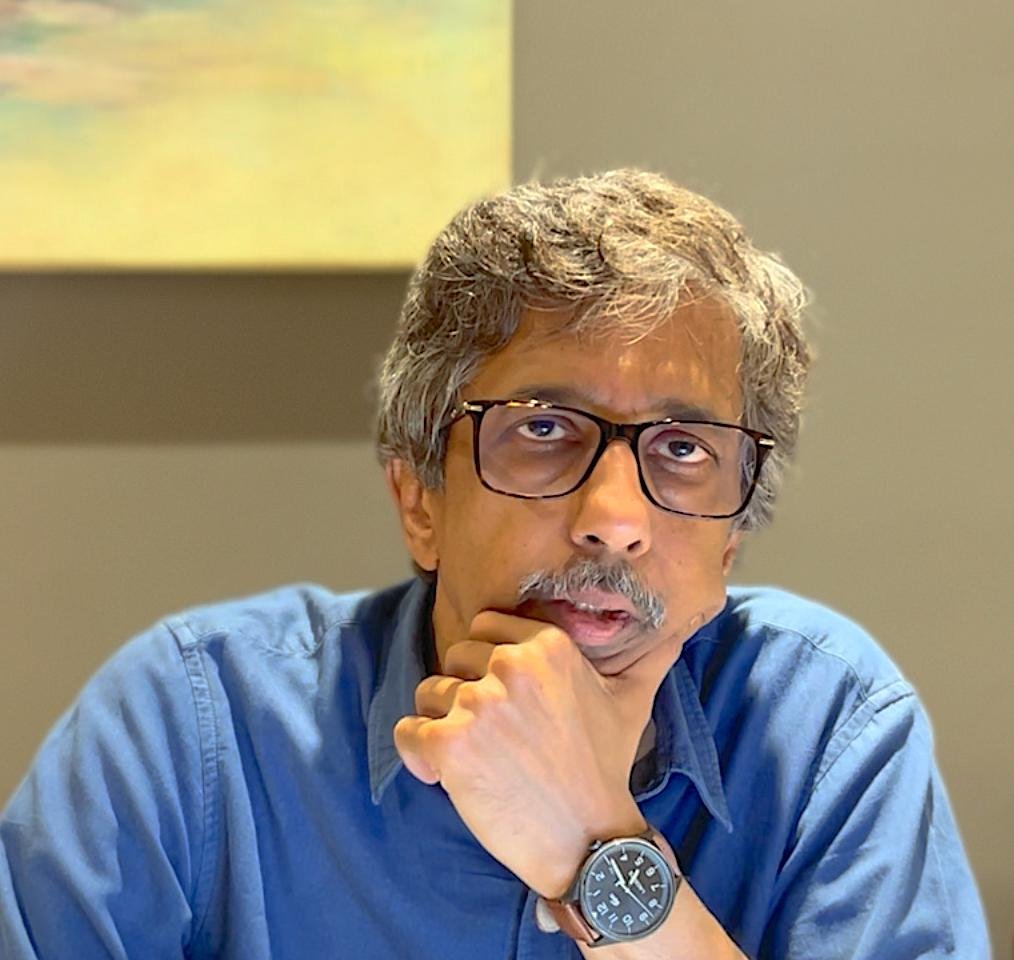
Sanjay Nagral is a surgeon who specialises in surgical gastroenterology, hepato-pancreatobiliary surgery and liver transplantation. He is the Director of the Department of Surgical Gastroenterology at Jaslok Hospital, Mumbai.
His writing has appeared in The Times of India, Indian Express, Hindustan Times, Mumbai Mirror, The Hindu, Economic and Political Weekly, British Medical Journal, Scroll and Wire.
His writing has appeared in
A surgeons life is filled with drama but is also beset with contradictions. It is at once challenging and rewarding, especially through the gratitude of patients. After initial years of innocence, the mid-life of a surgical career can be monotonous and punctuated by moments of self-doubt and even futility. The response could be self-reflection, distraction, or immersing oneself in work. I chose writing.
Over a decade, I have penned my thoughts on healthcare in India through op-eds and columns in leading newspapers and journals. This is partly an attempt to offer insights from the vantage point of what I describe as a 'ringside' view into healthcare's workings, challenges and fault lines. An area all of us are compelled to engage with sooner or later in our lives. The angst that may come through in my pieces was heightened by spending a large part of my career leading a double life in the private and public health care sector.
Thus writing has also been a medium to vent my discomfort and even dissipate a sense of guilt at the inequity and pathos of this area. It is also a record of the amazing grit and resilience that one witnesses.
What initially was sporadic writing through opeds became a weekly column in a leading newspaper around the time of Covid. Besides creating time, Covid also evoked a heightened interest in healthcare from citizens. As a result, I now have a band of regular readers who follow my columns. I am often asked where all my written work could be found. This space is an effort to put them all together. I hope it resonates with you.
Hindustan Times · Oct 2023

Hindustan Times · Sep 2023
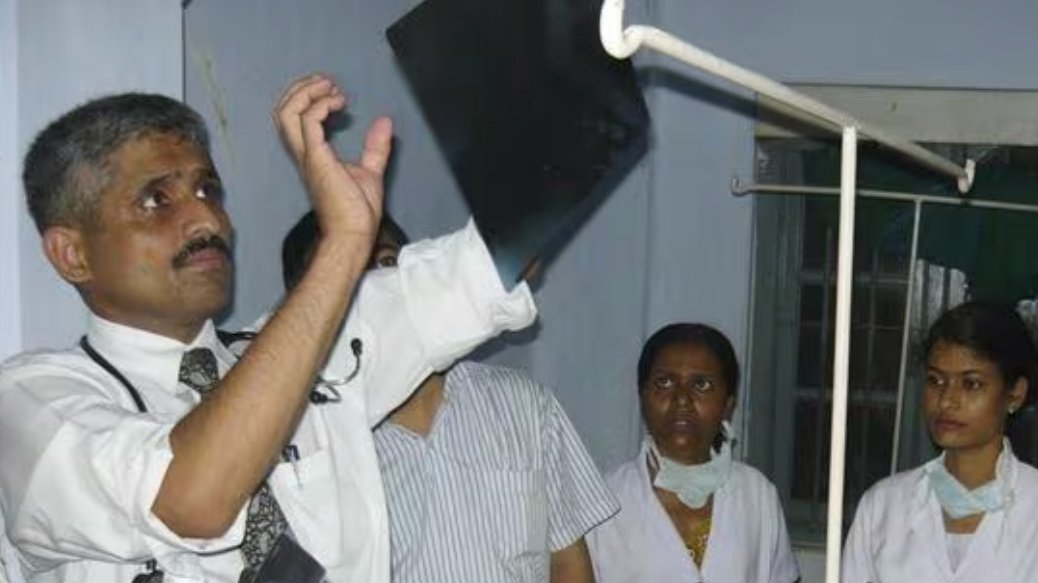
Hindustan Times · Sep 2023
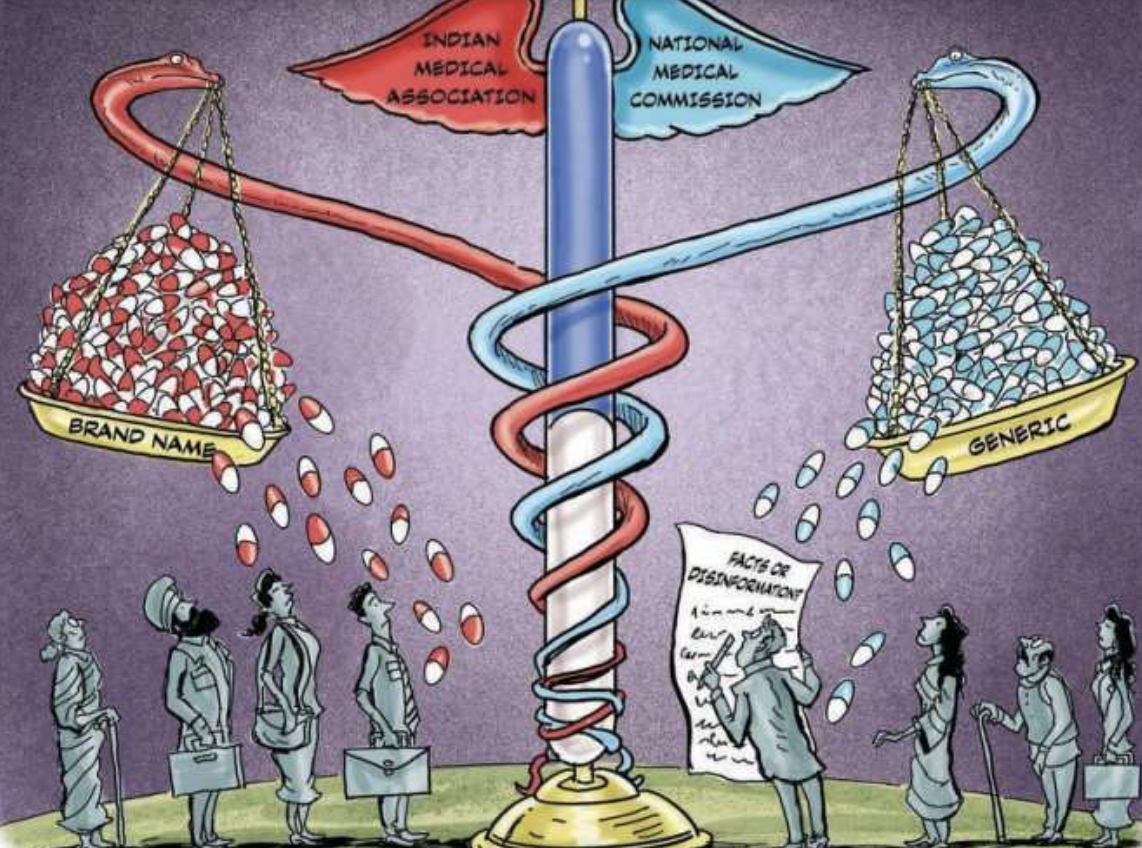
Times of India · Aug 2023

Hindustan Times · Aug 2023

Hindustan Times · Jul 2023
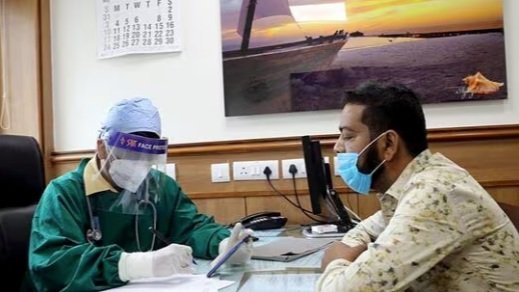
Hindustan Times · Jun 2023
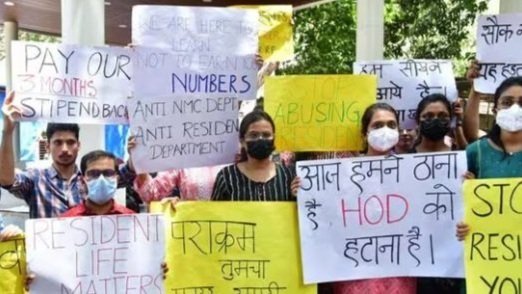
Hindustan Times · Jun 2023

Medical ethics, the profession and health policy in India.
57 pieces
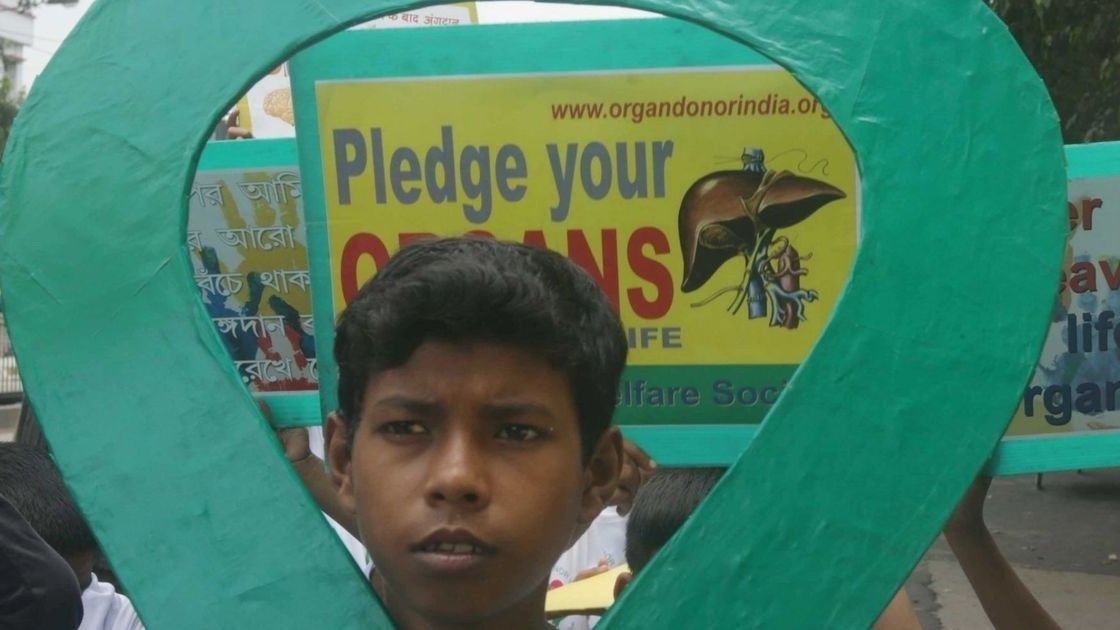
Organ donation, transplant ethics and the organ trade.
12 pieces

Patients, colleagues and moments from a surgeon’s life.
30 pieces

The pandemic in India.
11 pieces
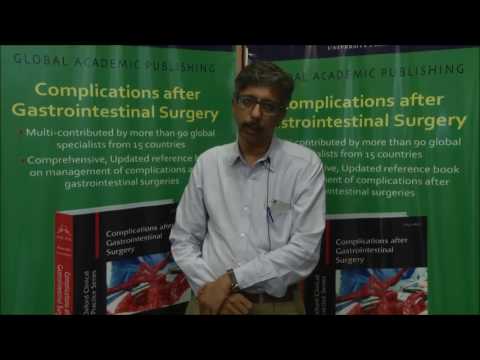
Journal papers, mostly in surgical gastroenterology.
32 pieces
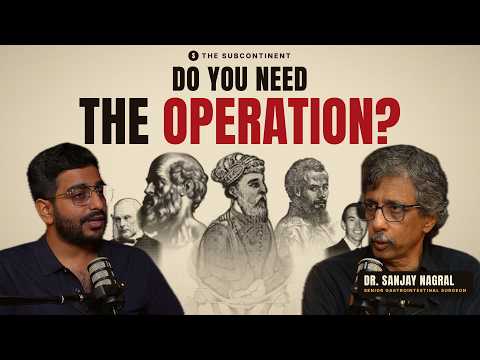 1 h 17 min
The Subcontinent Podcast
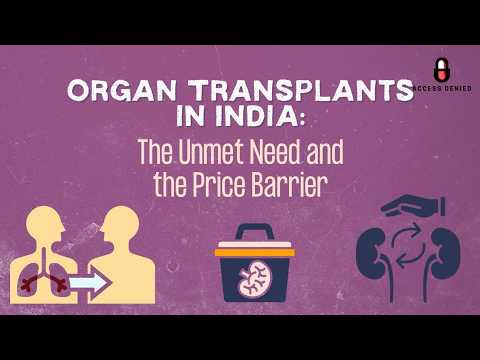 19 min
Working Group on Access to Medicines – India
 1 h 12 min
World Medical Association
 48 min
Guts and Glory
 1 h 55 min
Shortcast over Coffee
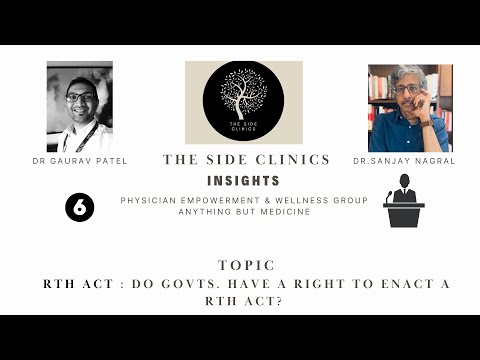 70 min